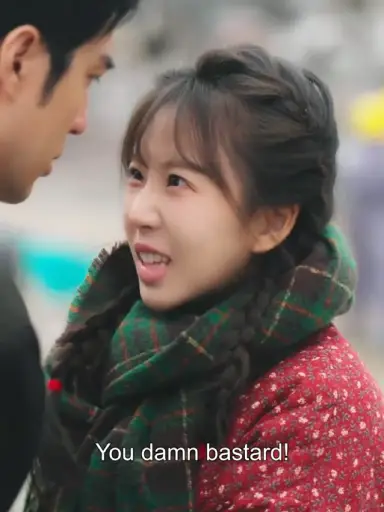
About Chinese Drama Series with English Dubbed
Chinese dramas have exploded in global popularity thanks to their intense, fast-paced plots and the world’s largest drama-making industry. Viewers are fascinated by billionaire romances, revenge sagas, and time-travel fantasies. However, Western audiences often struggle with cultural nuances. Complex character names, unique place names, and traditional customs make it difficult to grasp the full emotional depth. English dubbing breaks down these barriers, allowing international fans to enjoy the stories without constantly reading subtitles, while preserving the drama’s flow and emotional intensity.
What Chinese Dramas Can Be English Dubbed
While many fans hope for full-length Chinese dramas to be dubbed, the reality is that high production costs make this difficult. Creating quality voiceovers for dozens of episodes requires massive resources. Short dramas, however, are perfectly suited for English dubbing. They are concise, usually featuring fewer characters, shorter runtimes, and tighter plots. This makes dubbing more affordable, efficient, and practical, while still delivering the emotional punch and cultural flavor that fans crave.
Main Types of English Dubbed Chinese Dramas
There are four major dubbing approaches shaping today’s Chinese drama market:
Machine Translation + AI Machine Voice – Quick and cheap, but often sounds robotic, with clumsy translations that miss emotional depth.
Colloquial Translation + AI Machine Voice – More natural translations paired with AI voices, better for casual viewers but still lacking human warmth.
Machine Translation + Real-Person Voice – Human actors bring emotion, but literal translations can feel stiff or confusing.
Colloquial Translation + Real-Person Voice – The gold standard. Skilled translators adapt dialogue into smooth, natural English, while voice actors capture the emotions, humor, and tension.
Among these, Colloquial Translation + Real-Person Voice stands out as the best option. It balances cultural accuracy, emotional expression, and viewing comfort, making Chinese dramas feel authentic and relatable to global audiences.